Macros in Cutlet
100 g of Cutlet (also called kotleta) provides 14 g protein, 14 g fat and 9 g carbs. Adjust the weight to see your serving, or compare the macros per 100 calories below.
Protein, fat and carbs per 100 g
- Protein
- 14 g
- Fat
- 14 g
- Carbs
- 9 g
220 kcal per 100 g
These are reference values. Ingredients and preparation can change the result.
Calories in CutletCalculate macros for your serving
Enter the weight to calculate calories and macros here. No sign-up required.
In your portion
264 kcal
- Protein
- 16.8 g
- Fat
- 16.8 g
- Carbs
- 10.8 g
About Cutlet
In Russian and Eastern European cooking, a cutlet (kotleta) is a pan-fried patty of minced meat, not a slice of meat. Beef, pork or a mix of the two is combined with milk-soaked bread and chopped onion, often with egg, garlic and herbs, then shaped into patties and fried in oil until browned on both sides. Kotlety are usually served with fried or mashed potatoes or pasta.
Also known as kotlety or kotleti.
Typical pieces and portions
Weights come from the sources below. Calories and macros are scaled from the per-100 g values on this page. Select a weight to load it into the calculator.
| Amount | Weight | Protein | Fat | Carbs | Calories |
|---|---|---|---|---|---|
| [2] | 80 g | 11.2 g | 11.2 g | 7.2 g | 176 kcal |
| [4] | 101 g | 14.1 g | 14.1 g | 9.1 g | 222 kcal |
| [4] | 134 g | 18.8 g | 18.8 g | 12.1 g | 295 kcal |
What changes the numbers
- Meat type and fat content. Fattier mince raises the calories: in the Norwegian food composition table, fried pork patties have 280 kcal and 22.9 g fat per 100 g, well above this page's figure for a mixed-meat cutlet. Lean beef or chicken mince lowers the calories.[2]
- Fried vs baked or steamed. A typical home recipe fries 1.5 lb of mince in 3 tablespoons of oil, and any oil the patties absorb adds fat. Baked or steamed cutlets take on little or no added cooking fat, so they come out lower.[1]
- Amount of bread and filler. More soaked bread or a breadcrumb coating raises carbs and lowers protein per 100 g. A commercial patty with 62% pork and beef and an egg and potato-flake binder lists 5.4 g carbs and 16 g protein per 100 g, which is less carbohydrate and more protein than this page's figures.[5]
- Patty size. ‘One cutlet’ is not a fixed amount: USDA portion weights for patties of a similar minced-beef mixture run from 81 g (small) to 134 g (large). That makes a large patty about 65% heavier than a small one.[4]
How to log it
Weigh one cooked patty and log it in grams rather than as “one cutlet”, since sizes run from about 80 g to over 130 g. Log sour cream, gravy and sides separately, and use a pork entry if your cutlets are all pork.
Sources for this note
- Recipes From Europe: Kotleti (Russian meat patties) (opens in a new tab)
- Matvaretabellen (Norway): Pork patties, fried (opens in a new tab)
- Matvaretabellen (Norway): Meat rissoles (opens in a new tab)
- USDA FNDDS via NutritionValue.org: Meat loaf made with beef (27214100) (opens in a new tab)
- Saarioinen: Traditional meat patty label (125 g, cooked) (opens in a new tab)
Compare Cutlet macros per 100 calories
Equal weights and equal calories answer different questions. The values below show the grams of each macro for 100 calories of this food, using the same reference entry. They are not percentages, daily targets or a suggested serving.
- Protein
- 6.4 g
- Fat
- 6.4 g
- Carbs
- 4.1 g
Reference portion: cutlet (120 g). This is an example amount, not a recommended portion. Weigh your food when possible: a cup, slice or piece can vary in size.
Check that the entry matches the food you have, including its preparation. If raw or cooked is not specified, check your label or a matching nutrition reference before logging it.
Compare macros by serving weight
| Portion | Calories | Protein | Fat | Carbs |
|---|---|---|---|---|
| 50 g | 110 kcal | 7 g | 7 g | 4.5 g |
| 100 g | 220 kcal | 14 g | 14 g | 9 g |
| 120 g | 264 kcal | 16.8 g | 16.8 g | 10.8 g |
| 200 g | 440 kcal | 28 g | 28 g | 18 g |
Use the right values for your food
Calculate a portion from your label
Have different numbers on the package? Use its calories, macros and serving weight instead of this reference entry.
See how macro tracking works in FoodWarz
FoodWarz adds the protein, fat and carbs of each logged meal to a running daily total and shows it against the targets you set.
Next: your food diary
Log meals by photo, text, voice or barcode. Check the portion and nutrition before saving.
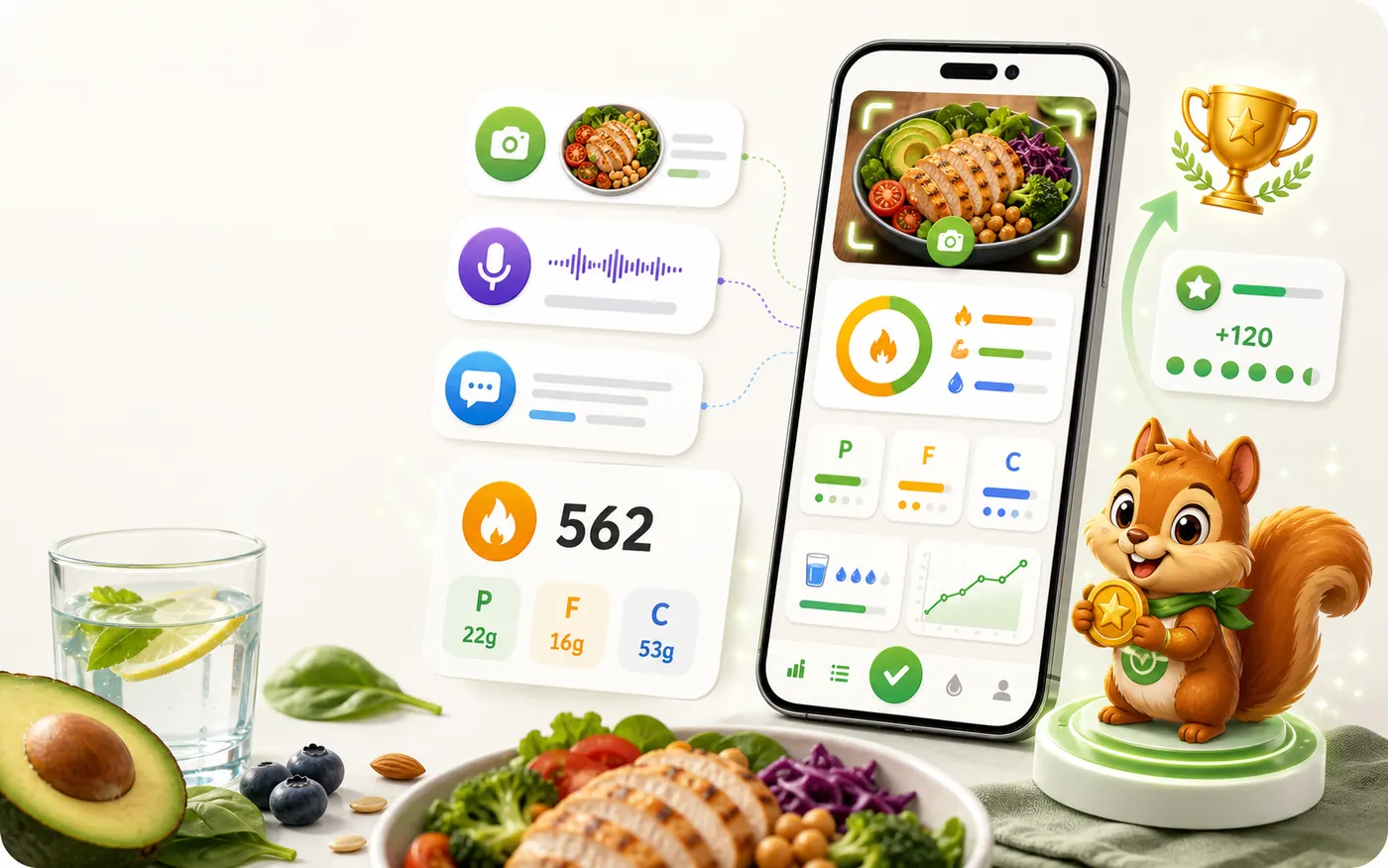 How FoodWarz works →
FAQ
How do I calculate macros for a serving of Cutlet?
Multiply each per-100 g value by the serving weight and divide by 100. A 120 g portion gives about 16.8 g protein, 16.8 g fat and 10.8 g carbs.
Can I compare these macros with a food label?
First match the serving weight and preparation. Compare per 100 g with per 100 g, or scale both entries to the same portion. Use the package values for a specific branded product.
What are the macros in 1 fried pork patty?
1 fried pork patty weighs about 80 g. At this page's per-100 g values that is about 11.2 g protein, 11.2 g fat and 7.2 g carbs.
What are the macros in 1 medium patty?
1 medium patty weighs about 101 g. At this page's per-100 g values that is about 14.1 g protein, 14.1 g fat and 9.1 g carbs.
Is cutlet good for calorie tracking?
Yes, as long as you track portion size. The biggest source of error is usually weight, sauces, oil and mixed ingredients.
How Cutlet compares
No other food in this table has less protein per 100 g than Cutlet.
| Food | Protein | Calories | Fat | Carbs |
|---|---|---|---|---|
| Cutlet (this page)Least protein | 14 g | 220 kcal | 14 g | 9 g |
| Chicken cutlet | 17 g | 215 kcal | 13 g | 8 g |
| Chicken breastMost protein | 31 g | 165 kcal | 3.6 g | 0 g |
| Chicken thigh | 26 g | 209 kcal | 11 g | 0 g |
| Turkey breast | 30 g | 135 kcal | 1 g | 0 g |
| Beef steak | 26 g | 250 kcal | 15 g | 0 g |
| Ground beef | 26 g | 254 kcal | 17 g | 0 g |
Data sources
Reference values are compiled from USDA FoodData Central, Open Food Facts and curated food databases. Your actual portion may differ by recipe, brand and cooking method.
Nutrition data methodologyNutrition values are estimates for calorie tracking and may vary by recipe, brand, cooking method and portion size. Not medical advice.
Last updated: October 3, 2026